See beyond symptoms
Develop a deeper understanding of brain function and the patterns behind a patient's clinical presentation.


On-demand professional training
Master the Art of QEEG Interpretation
Transform complex brain data into clinically meaningful decisions with an expert-led, on-demand QEEG masterclass.
4-Day Video Masterclass · 20+ Hours · Lifetime Access
Beyond the brain map
Move beyond symptoms and isolated numbers. Learn how experienced clinicians recognize meaningful patterns and translate findings into better-informed clinical decisions.
Build a structured understanding of EEG activity, brain maps and clinically relevant QEEG patterns.
From recording brain activity to understanding what the data may reveal about brain function.
The masterclass includes the complete recordings of IFEN's intensive four-day QEEG workshop, structured as an on-demand course that can be studied entirely at the learner's own pace.
Book your placeWhat you will develop
Develop a deeper understanding of brain function and the patterns behind a patient's clinical presentation.
Approach QEEG findings systematically and translate complex information into clinically relevant insights.
Build greater confidence when connecting assessment findings with individualized clinical and neurofeedback strategies.
Flexible professional learning
A focused learning experience for clinicians who want to deepen their QEEG knowledge without depending on fixed dates or live attendance.
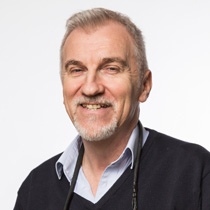
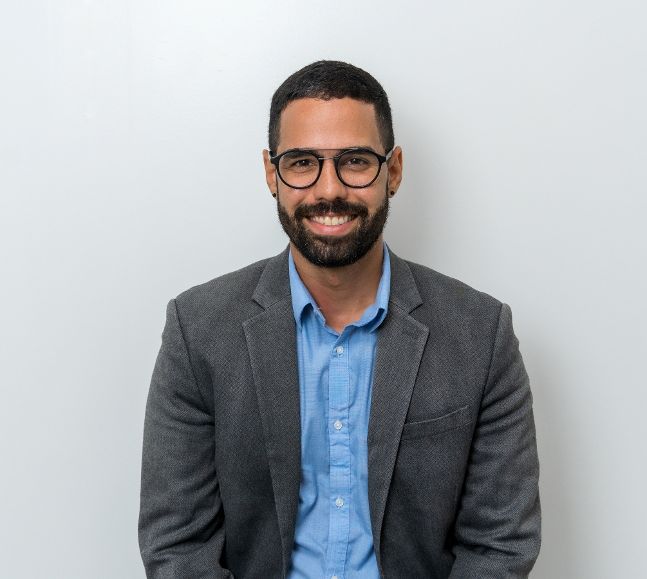
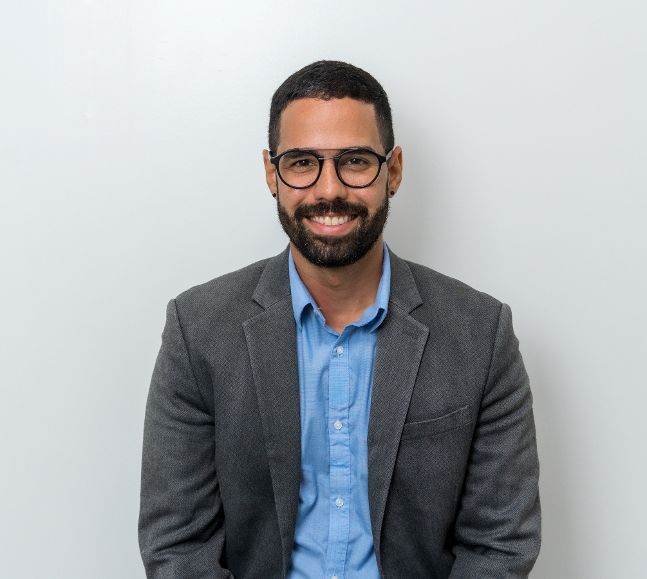
Created and taught by
Learn from an experienced neuroscientist and QEEG educator who combines scientific knowledge with clinically relevant interpretation.
The masterclass helps professionals move beyond technical data and develop a structured understanding of brain function, QEEG findings and their clinical relevance.
Who it is for
FAQ
No. This is an asynchronous video masterclass based on the complete recordings of IFEN's four-day QEEG workshop.
The course contains more than 20 hours of expert-led video instruction.
The masterclass includes lifetime access.
Previous knowledge of EEG, neurofeedback or neuroscience is recommended and will help participants benefit more deeply from the course.
Yes. It is primarily designed for clinicians and professionals working with brain health, EEG, neurofeedback and neuroscience.
If you have any questions about the course, registration or payment, our team will be happy to help.
Email our team20+ Hours · On-Demand Learning · Lifetime Access
Wir nutzen Cookies auf unserer Website. Einige von ihnen sind essenziell für den Betrieb der Seite, während andere uns helfen, diese Website und die Nutzererfahrung zu verbessern (Tracking Cookies). Sie können selbst entscheiden, ob Sie die Cookies zulassen möchten. Bitte beachten Sie, dass bei einer Ablehnung womöglich nicht mehr alle Funktionalitäten der Seite zur Verfügung stehen.